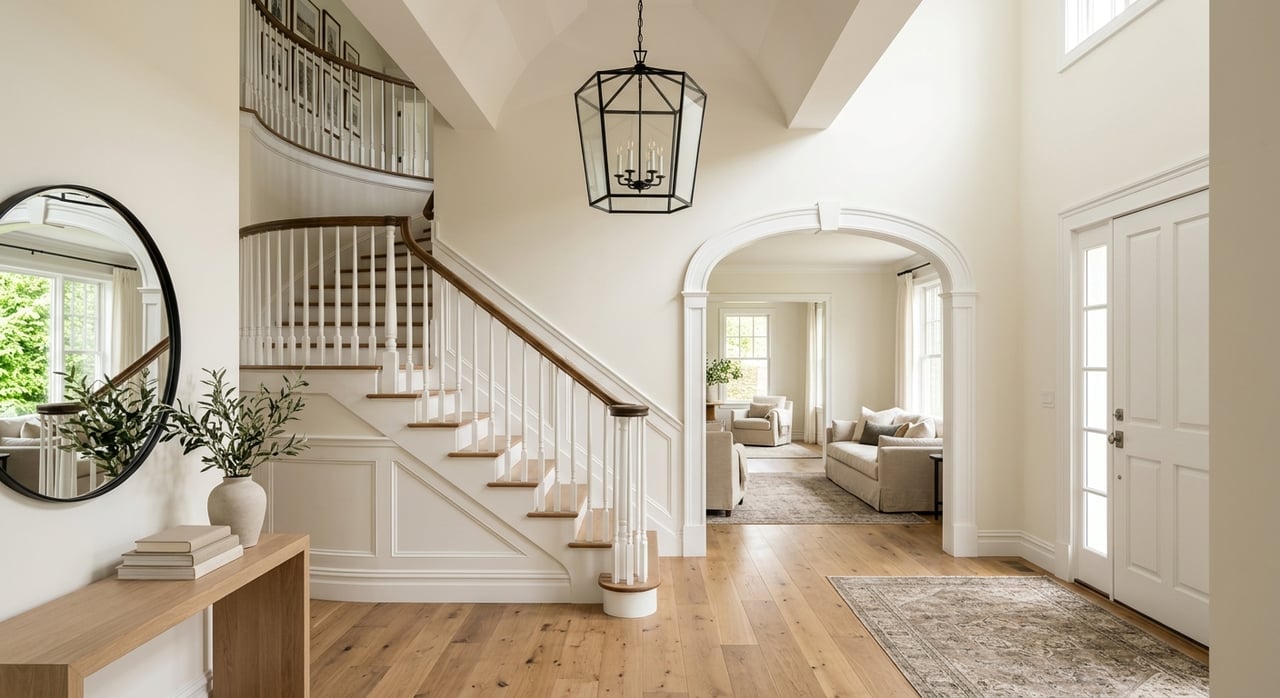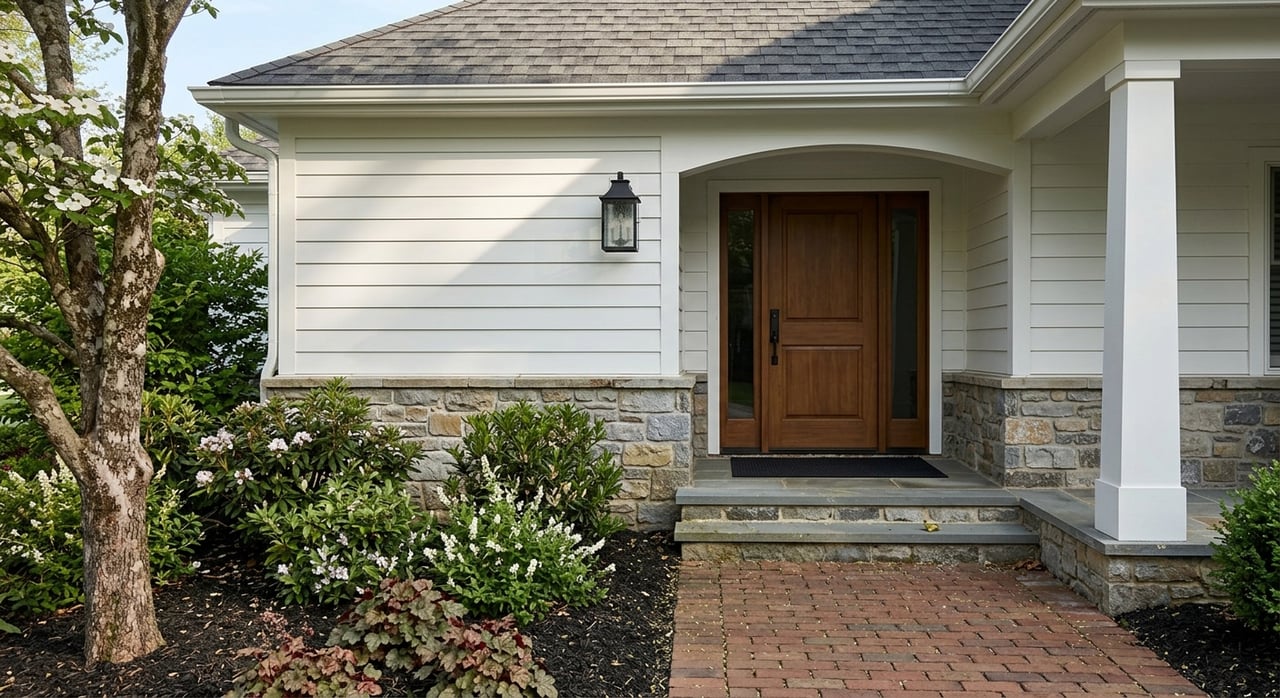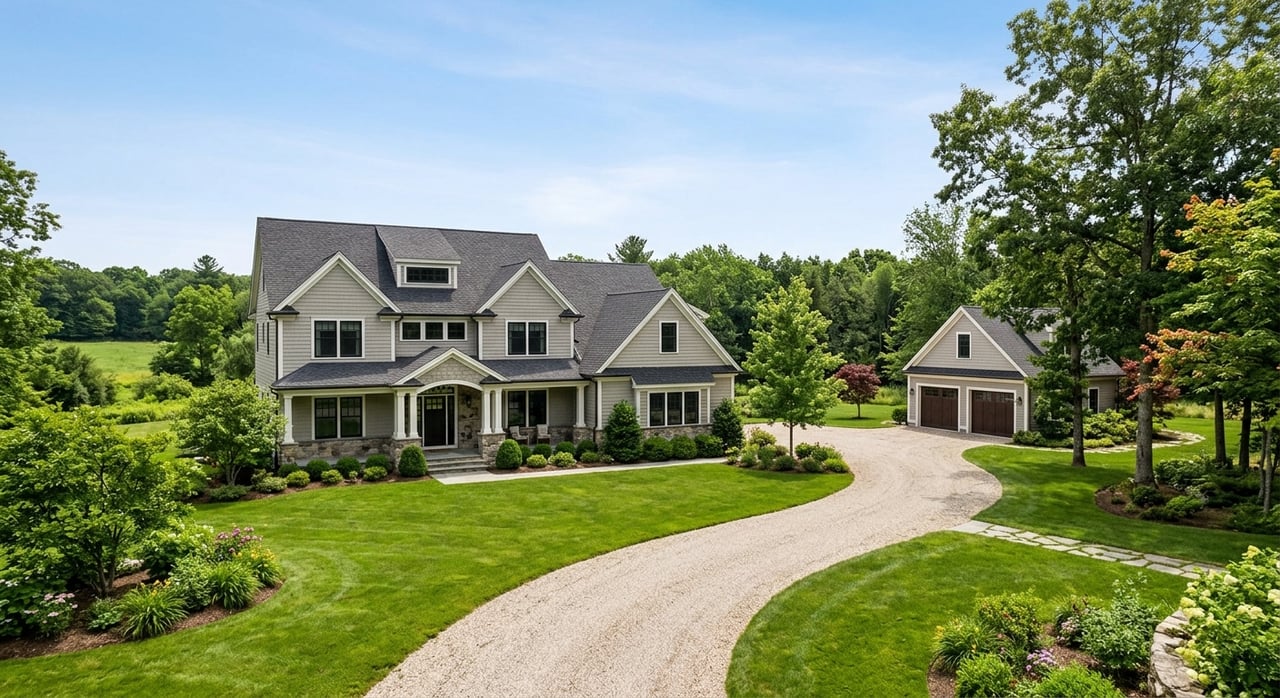
If you are trying to decide where to live in Mills River, you may notice something quickly: this town does not fit into one neat neighborhood box. One road may feel like a traditional subdivision, while the next turns into acreage, open land, or a quieter residential pocket near everyday conveniences. Understanding those patterns can help you focus your search, ask better questions, and choose a property that fits how you want to live. Let’s dive in.
Why Mills River Feels Different
Mills River is spread out rather than compact. The Census Bureau estimates 7,504 residents in 2025 across 22.31 square miles, with an owner-occupied housing rate of 85.6% and a median owner-occupied home value of $436,100. That combination helps explain why the area often feels more rural-residential than town-center oriented.
The town’s land-preservation materials add more context. Roughly 3,000 acres of vacant land and 3,000 acres of active agricultural land make up almost half of Mills River’s land area, and the town projects growth of 2,500 residents and 1,250 jobs by 2045. In practical terms, that means you are looking at a place balancing growth with a strong interest in preserving its rural and small-town character.
Three Main Neighborhood Patterns
When you compare Mills River neighborhoods, it helps to think in terms of three broad patterns. These are not rigid categories for every parcel, but they are a useful way to understand what you are likely to see as you move through town.
Subdivision-Style Areas
The most subdivision-like parts of Mills River generally line up with the town’s Mixed Residential and Community Center land-use categories. The town describes these as areas where single-family homes, low-density multifamily development, and neighborhood-oriented uses are encouraged. In Community Center areas, commercial, residential, and agricultural uses can also mix.
For you as a buyer, this often translates into a more familiar neighborhood layout. You may see planned streets, a more regular lot pattern, and easier access to civic spaces and service nodes. These areas can appeal to buyers who want a neighborhood feel without leaving Mills River’s more open, less dense setting.
That said, it is important to remember that the land-use map is a policy guide, not the zoning map itself. A neighborhood may look and feel like a subdivision area, but parcel-specific rules still matter. If you are serious about a property, you will want to verify the current zoning before making assumptions.
Mini-Farm and Acreage Areas
If your goal is more land, more privacy, or room for a rural-residential lifestyle, Mills River’s Rural Agricultural areas are often the clearest fit. The town says these areas are intended for rural homesteads, low-density single-family development, and low-intensity employment uses. This is where the local idea of a mini-farm usually starts to make sense.
Mills River’s older R-40 Estate Residential district also supports that pattern. It was written for quiet, low-density neighborhoods, uses a minimum lot size of 40,000 square feet, and was designed around areas without public water and with septic systems. The code also allows a conservation-subdivision option.
In everyday market terms, many buyers think of these properties as mini-farms, estate lots, or acreage homesites. In practice, they often function more like estate-lot or rural-residential living than true agricultural production. If you want elbow room, detached outbuildings, or a more open setting, this category is usually where your search will lean.
Established Convenience Pockets
Mills River also has established residential pockets that are shaped more by location convenience than by a single historic downtown. Areas near Town Center Drive, School House Road, Banner Farm Road, and the NC 280 and NC 191 intersection often stand out for their access to civic amenities and daily-use destinations.
Homes in these pockets may trade some acreage for proximity. For many buyers, that can be a worthwhile exchange, especially if you want easier access to the park, library, or key roads. These areas can offer a practical middle ground between a more traditional neighborhood feel and Mills River’s wider rural layout.
Civic Anchors That Shape Demand
A big part of neighborhood appeal in Mills River comes from its civic and location anchors. Mills River Park is one of the clearest examples. The 48-acre park includes a 1.25-mile paved multi-use trail, tennis and pickleball courts, a dog park, playground, canoe and kayak launch, fishing pier, and athletic fields.
The library is also on Town Center Drive, which helps make that area feel like a local activity hub. Nearby homes often benefit from being close to the kinds of places people use regularly, not just occasionally. That can matter whether you are buying for your own lifestyle or preparing to sell and want to understand how buyers may view location.
The town also notes that Mills River is within minutes of Pisgah National Forest, Interstate 26, and Asheville Regional Airport. For relocators especially, these connections can be a major part of the area’s appeal. You get a quieter setting while still staying connected to outdoor access and regional transportation.
How Schools Fit Into the Picture
For some buyers, school assignment is part of the neighborhood search. The town says Mills River Elementary and Glenn Marlow Elementary serve local youth and feed to Rugby Middle School and West Henderson High School. Blue Ridge Community College also serves residents with college-level and technical training.
Because attendance boundaries and assignment details can change, it is wise to verify school information during your home search. From a neighborhood standpoint, the main takeaway is that school locations help shape traffic patterns, convenience, and how certain parts of town feel day to day.
Why Zoning Matters More Here
In Mills River, zoning is not just a background detail. It can shape how a property functions, what may be built nearby, and whether a parcel matches the lifestyle you have in mind. That is especially important in a town where subdivision-style streets, rural acreage, and mixed-use areas can exist relatively close together.
Mills River is also in the middle of a zoning transition. The town adopted a new Unified Development Ordinance and zoning maps on June 11, 2026, with an effective date of September 1, 2026. The current code remains in force through August 31, 2026.
The town says the rewrite is meant to better protect rural and small-town character after finding that older Mixed Use mapping covered about three-quarters of the town’s 22-square-mile jurisdiction. For you, the key takeaway is simple: if you are comparing neighborhoods after September 1, 2026, re-check the parcel under the updated map and code rather than relying on older screenshots or past listings.
Flood Risk Is a Must-Check
Floodplain review is one of the most important due diligence steps in Mills River. The town says about 15% of the town lies in a flood-prone area or floodplain. That means flood conditions are not a minor side note here, especially if you are comparing homes near creeks, lower-lying land, or open tracts.
The town also says federally backed flood insurance is not available within town limits and directs users to North Carolina’s FRIS and FIMAN tools for current flood information. That makes local flood review essential before you get too far into a purchase decision. A home can look ideal on paper and still raise important questions once flood mapping enters the conversation.
Roads, Parcels, and Quick Research Tips
Another detail buyers often overlook is road maintenance. Henderson County GISWeb notes that Town Center Drive is the one road the town maintains. Other roads may be maintained by NCDOT or may be privately maintained.
That matters because road maintenance can affect day-to-day expectations and long-term planning. GISWeb also lets users view floodplain, school districts, deeds, and plats, making it a strong first-stop screening tool when you are narrowing down options. The parcel data are not live, but the county says they are usually updated daily.
A Simple Way to Compare Mills River Areas
If you want a quick framework, start by deciding which of these tradeoffs matters most to you:
- Neighborhood structure: Do you prefer planned streets and a more conventional lot pattern?
- Land and privacy: Do you want acreage, a low-density setting, or room for a rural homestead feel?
- Convenience: Do you want to be closer to Town Center Drive, the park, library, and key intersections?
- Property rules: Have you checked the current zoning and future land-use context for the specific parcel?
- Site conditions: Have you reviewed floodplain information, road maintenance, and basic parcel records?
This approach can help you separate what feels appealing at first glance from what truly fits your goals. In a place like Mills River, that clarity matters.
What This Means for Buyers and Sellers
If you are buying, Mills River’s variety is part of the draw. You can often choose between subdivision-style living, estate-lot space, or a convenience-oriented location without leaving the same town. The key is understanding that each option comes with different tradeoffs in layout, access, utilities, and due diligence.
If you are selling, this same variety shapes how your home should be positioned. A property near civic amenities may attract a different buyer than a larger-acreage home in a rural-residential setting. Clear neighborhood context helps buyers see not just the house, but the lifestyle and location logic behind it.
Mills River works best when you view it through a local lens. It is not one uniform neighborhood market. It is a three-part mix of subdivision-style areas, estate-lot and mini-farm properties, and established convenience pockets, all within a town trying to preserve its rural variety while planning for steady growth.
If you want help sorting through Mills River neighborhoods or pricing a home in today’s market, the Steve Dozier Group offers experienced, local guidance grounded in how this area actually works.
FAQs
What are the main neighborhood types in Mills River, NC?
- Mills River is best understood as a mix of subdivision-style neighborhoods, estate-lot or mini-farm properties, and established convenience pockets near the park, library, schools, and major roads.
What does mini-farm usually mean in Mills River, NC?
- In Mills River, mini-farm often refers more to estate-lot or rural-residential living with more land and lower density, rather than full agricultural production.
What parts of Mills River, NC feel most like subdivisions?
- Areas that align with the town’s
Mixed ResidentialandCommunity Centercategories often feel more like subdivisions, with planned streets, more regular lot patterns, and easier access to civic and service areas.
Why is zoning important when buying in Mills River, NC?
- Zoning matters because Mills River has a wide mix of neighborhood patterns, and the town’s new Unified Development Ordinance and zoning maps take effect September 1, 2026, so parcel-specific rules should always be verified.
How important is floodplain research in Mills River, NC?
- Floodplain research is very important because the town says about 15% of Mills River lies in a flood-prone area or floodplain, making flood review a key part of buyer due diligence.
What amenities shape neighborhood appeal in Mills River, NC?
- Mills River Park, the library on Town Center Drive, access to major roads, and proximity to Pisgah National Forest, Interstate 26, and Asheville Regional Airport all help shape how different areas of town appeal to buyers.