Wondering how to sell an older Flat Rock home without losing time, money, or the character that makes it special? If you own a long-held property in this area, you may be balancing needed updates, disclosure questions, and the local expectations that come with a historic, preservation-minded community. The good news is that with the right prep, you can make smart decisions before your home hits the market and avoid preventable surprises later. Let’s dive in.
Why older Flat Rock homes need a different plan
Flat Rock is not just another housing market. The village is known for historic properties, forested landscapes, scenic vistas, and a strong preservation culture that values original character, open space, and site setting.
That matters when you prepare an older home for sale. In many cases, buyers are not looking for you to erase the home’s age. They are looking for signs that the property has been cared for, documented well, and updated thoughtfully.
Several Flat Rock properties are designated historic landmarks, and the Flat Rock Historic District and Carl Sandburg Home National Historic Site are listed on the National Register. If your home has local historic status, exterior changes may involve additional review, so your prep plan should start with research before you spend money.
What the Flat Rock market means for sellers
Recent data suggests the market is active, but buyers have room to negotiate. Redfin reported a median sale price of $739,557 in Flat Rock in May 2026 and a median 55 days on market.
Other recent reporting described Flat Rock as a balanced market, with homes selling for an average of 1.85% below asking. Henderson County’s April 2026 Canopy MLS report showed 4.4 months of inventory, 81 days on market, and 93.3% of original list price received year to date.
For you, the takeaway is simple. An older home can still sell well, but pricing, condition, and disclosure need to work together. If one of those pieces is off, buyers may push harder during negotiations.
Start with a pre-listing inspection
One of the smartest steps before listing an older home is a pre-listing inspection. A seller’s inspection typically covers heating and cooling, electrical, plumbing, structure, roof, interior, and exterior, and it usually takes 2 to 4 hours.
This step helps you understand what a buyer is likely to notice later. It also gives you time to decide what to repair, what to disclose, and what to reflect in your pricing strategy.
For an older Flat Rock home, pay close attention to these common trouble spots:
- Roof condition
- Gutters and drainage
- Foundation or crawlspace issues
- Moisture intrusion
- HVAC age and service history
- Electrical panel condition
- Plumbing leaks
- Window condition
- Failed caulk or sealants
- Insulation gaps
You do not need to fix every issue to sell. You do need a clear plan for which items should be addressed before showings and which items should be documented for buyers.
Watch for moisture and energy issues
Older homes often have less insulation than newer homes. A home energy assessment can help identify air leaks and insulation gaps that may affect comfort and buyer perception.
Moisture is another major concern. Mold does not grow without moisture, so damp crawlspaces, roof leaks, condensation, or musty odors deserve attention before the first showing.
These issues matter because buyers tend to react strongly to signs of deferred maintenance. Even if the fix is manageable, visible moisture or comfort concerns can make the whole home feel riskier than it is.
Be careful with pre-1978 paint
If your home was built before 1978, lead-based paint should be part of your preparation plan. Buyers and sellers of most pre-1978 housing have lead-based paint disclosure obligations, and older homes are more likely to contain it.
That does not mean you should panic or avoid all repairs. It does mean you should avoid unnecessary sanding or scraping and use lead-safe contractors if planned work will disturb painted surfaces.
This is especially important in an older home where trim, siding, windows, or other painted elements may be part of the home’s appeal. A rushed cosmetic update can create risk you did not need to take on.
Check historic status before exterior work
Before you replace windows, change trim details, remove stonework, or make other visible exterior updates, confirm whether your property has a local historic designation. In Flat Rock, a certificate of appropriateness may be required for major work that significantly alters the visual character of exterior features.
The Historic Landmarks Commission serves as a resource for owners planning alterations. That means you may be able to get guidance early and avoid spending money on changes that do not fit local review standards.
This is one reason older Flat Rock homes often benefit from a lighter hand. Clean-up, repair, and preservation-minded presentation may do more for marketability than trying to make the home look brand new.
Gather permits and property records early
Older homes often raise more buyer questions, and the smoother your answers, the better. Pulling records early can save time once your home is listed.
In North Carolina, sellers must provide the Residential Property Disclosure Statement and the Mineral and Oil and Gas Rights Mandatory Disclosure Statement before a buyer makes an offer. When applicable, owners’ association and mandatory covenants disclosures may also be required.
The required disclosures cover items such as:
- Water supply and sanitary sewage
- Roof condition
- Chimneys
- Floors and foundation
- Plumbing
- Electrical systems
- Heating and cooling
- Wood-destroying insects
- Zoning or covenant restrictions
- Environmental contamination
If a material change happens after you complete the form, you must update the disclosure promptly. If disclosures are not delivered on time, a buyer may have the right to cancel.
Known issues still matter
A common mistake sellers make is assuming that checking No Representation solves a disclosure problem. It does not erase issues you already know about.
If you are aware of a roof leak, drainage problem, termite damage, permit concern, or another defect that could affect a reasonable buyer’s decision, it should be handled carefully and disclosed appropriately. Older homes do not need to be perfect, but the listing process should be transparent.
That approach protects you in two ways. It reduces the odds of a deal falling apart during due diligence, and it helps buyers feel they are dealing with a careful, credible seller.
If you have a septic or well, pull records now
For older Flat Rock homes on septic or private well systems, Henderson County Environmental Health is the local source for permits and searches. Septic approvals depend on factors such as topography, soil characteristics, soil wetness, soil depth, and available space.
These records often come up once buyers start asking questions or scheduling inspections. If you gather them early, you can respond faster and reduce delays during negotiations.
This step is especially helpful if your home has been in the family for many years or if you are managing an estate or trust sale. Older paperwork is often harder to find once you are already under contract.
Focus on care, not over-modernizing
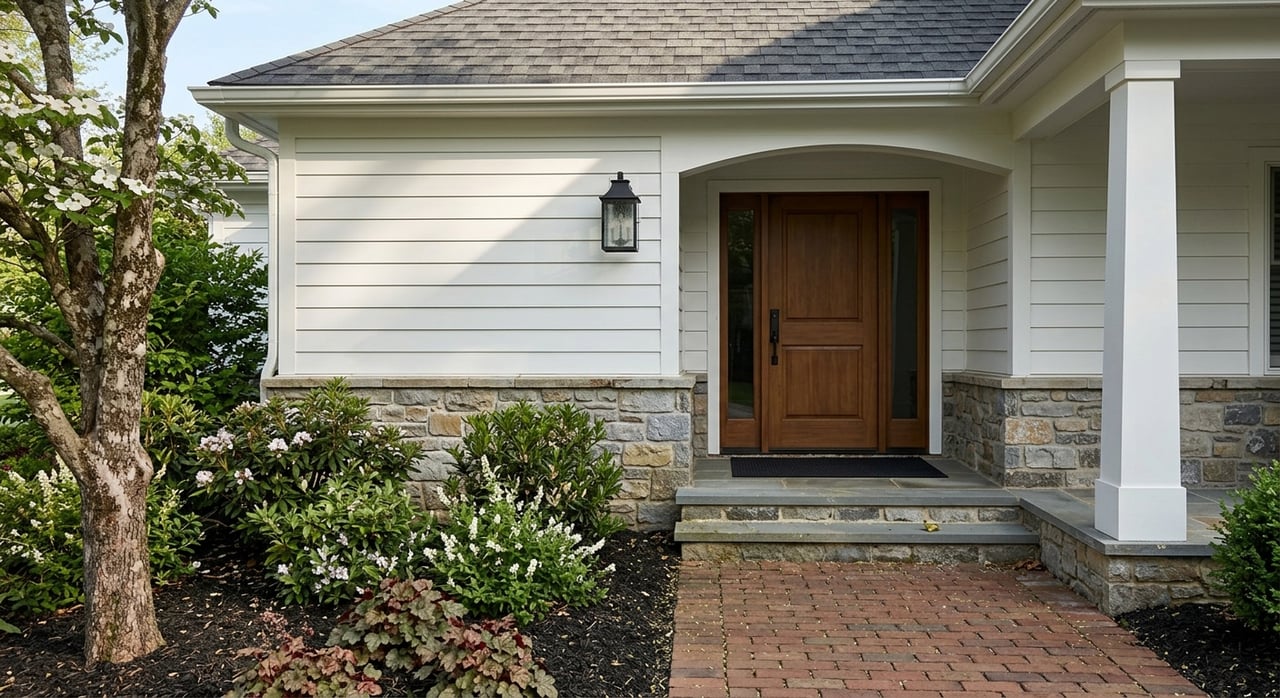
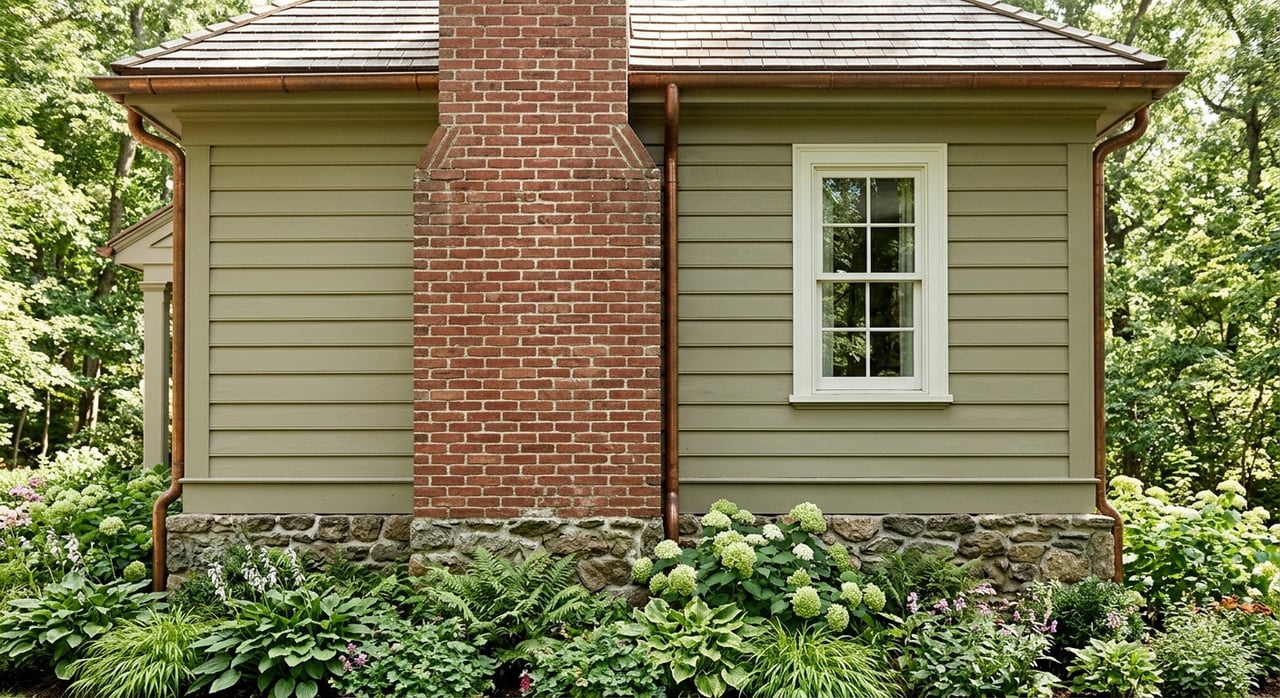
In Flat Rock, older homes often show best when they feel authentic and well maintained. That may mean keeping original trim, woodwork, stone, mature trees, and the home’s natural setting while making practical improvements buyers can easily see.
Good pre-listing updates may include:
- Touch-up paint
- Clean windows
- Repaired caulk
- Updated light fixtures where needed
- Serviced HVAC and other systems
- Tidy landscaping
- Clean gutters and drainage paths
The goal is not to make an older home look like a new build. The goal is to present it as a property that has been stewarded with care.
Documentation can strengthen your position
For many older homes, paperwork is almost as important as polish. A clean inspection report, service records, receipts, and permit documentation can reassure buyers that the property has not been neglected.
This can also help support your asking price. In a market where buyers have some leverage, documentation gives them fewer reasons to assume the worst.
If you have completed repairs or improvements over the years, organize those records before listing. When buyers can see what was done and when, they often feel more confident moving forward.
Build more time into your selling timeline
Selling an older Flat Rock home usually takes more planning than owners expect. The inspection itself may take only a few hours, but repair decisions, contractor scheduling, permit searches, and possible historic review can add days or weeks.
That matters in a market where recent figures showed 55 days on market in Flat Rock, 81 days on market in Henderson County, and 126 days from list to close countywide. If you want a smoother sale, start preparing earlier than you think you need to.
A simple timeline can help:
| Time Before Listing | Priority |
|---|---|
| 4 to 8 weeks | Schedule pre-listing inspection, gather records, confirm historic status |
| 3 to 6 weeks | Decide on repairs, request contractor bids, pull septic or well permits if needed |
| 2 to 4 weeks | Complete cosmetic work, service systems, organize receipts and disclosures |
| 1 to 2 weeks | Final cleaning, landscaping touch-ups, pricing review, marketing prep |
Questions to ask before you list
If you want fewer surprises, ask the right questions early. A short round of calls before listing can save you from expensive guesswork.
Consider asking:
- Your listing agent: Which issues are most likely to affect price or negotiation in today’s Flat Rock market?
- Your inspector or contractor: Is there evidence of moisture, roof failure, foundation movement, plumbing leaks, electrical concerns, or wood-destroying insects?
- Village or historic staff: Does this property need a certificate of appropriateness before exterior changes?
- County environmental health staff: Are septic or well permits on file, and is any update needed?
- A lead-safe contractor: Will planned repairs disturb pre-1978 painted surfaces?
A steady plan usually wins
Older homes in Flat Rock can attract serious interest, especially when they reflect the setting and character buyers expect in this area. The key is to prepare with intention, price with the market in mind, and disclose thoroughly.
If you take care of condition, records, and local requirements before you list, you put yourself in a stronger position from day one. That usually leads to better buyer confidence, cleaner negotiations, and a smoother path to closing.
If you are getting ready to sell an older home in Flat Rock and want practical guidance on pricing, prep, and timing, the Steve Dozier Group can help you build a clear plan from the start.
FAQs
What should you inspect before selling an older Flat Rock home?
- Focus on the roof, gutters, foundation or crawlspace, moisture intrusion, HVAC, electrical panel, plumbing leaks, windows, caulk, and insulation, ideally through a pre-listing inspection.
What disclosures are required when selling a home in North Carolina?
- North Carolina requires sellers to provide the Residential Property Disclosure Statement and the Mineral and Oil and Gas Rights Mandatory Disclosure Statement before a buyer makes an offer, plus other applicable community disclosures.
What should you know about historic rules in Flat Rock before making updates?
- If your property has local historic designation, some exterior changes that alter visual character may require a certificate of appropriateness, so it is wise to confirm status before starting work.
What records help sell an older Flat Rock home?
- Useful records include inspection reports, repair receipts, service history, permits, and septic or well documentation when applicable.
How should you update an older Flat Rock home before listing?
- In many cases, the best approach is to preserve original character and focus on visible maintenance, clean presentation, serviced systems, and thoughtful repairs rather than over-modernizing.