If you are thinking about selling your home in Etowah, timing and strategy matter more than ever. In a market where buyers have more choices and homes can sit longer, you need a plan that helps your property stand out without creating unnecessary stress. This step-by-step guide will show you how to prepare, price, market, and manage the sale process with more confidence. Let’s dive in.
Understand the Etowah market
Before you list, it helps to know what you are stepping into. Etowah is currently operating as a buyer's market, which means buyers generally have more room to compare homes, negotiate, and take their time.
According to Realtor.com market data for Etowah, there were 80 homes for sale in February 2026, the median listing price was $517,400, and the median time on market was 122 days. Homes sold for about 2.78% below asking on average. In Henderson County's February 2026 MLS report, the median sales price was $430,000, inventory stood at 3.6 months, homes averaged 89 days on market, and the list-to-close timeline reached 131 days.
For you, the takeaway is simple: price and presentation matter. In this kind of market, buyers tend to notice condition, compare value closely, and negotiate more carefully.
Start with a realistic pricing plan
One of the biggest mistakes sellers make is pricing too high at the start. In a market with longer selling times, an aggressive price can cause your home to sit, which may lead buyers to wonder what is wrong or expect a discount later.
A strong pricing plan should reflect current conditions, not just your ideal outcome. Since homes in Etowah are selling below asking on average, it is important to think strategically about where your home fits among competing listings and recent sales.
The goal is not to underprice your home. The goal is to position it well enough to attract serious interest early, when your listing is freshest and most visible.
Prep your home before listing
In Etowah, buyers are likely to respond best to homes that feel clean, cared for, and easy to picture themselves in. When the market is slower, visible condition becomes even more important.
The strongest pre-listing improvements are often the simplest ones. According to the National Association of Realtors' 2025 staging report, decluttering, deep cleaning, curb appeal, photos, staging, video, and virtual tours all play an important role in helping buyers engage with a property.
Focus on high-impact prep
Before your home goes live, prioritize:
- Decluttering main living spaces, counters, and closets
- Deep cleaning floors, windows, kitchens, and baths
- Touching up obvious cosmetic issues
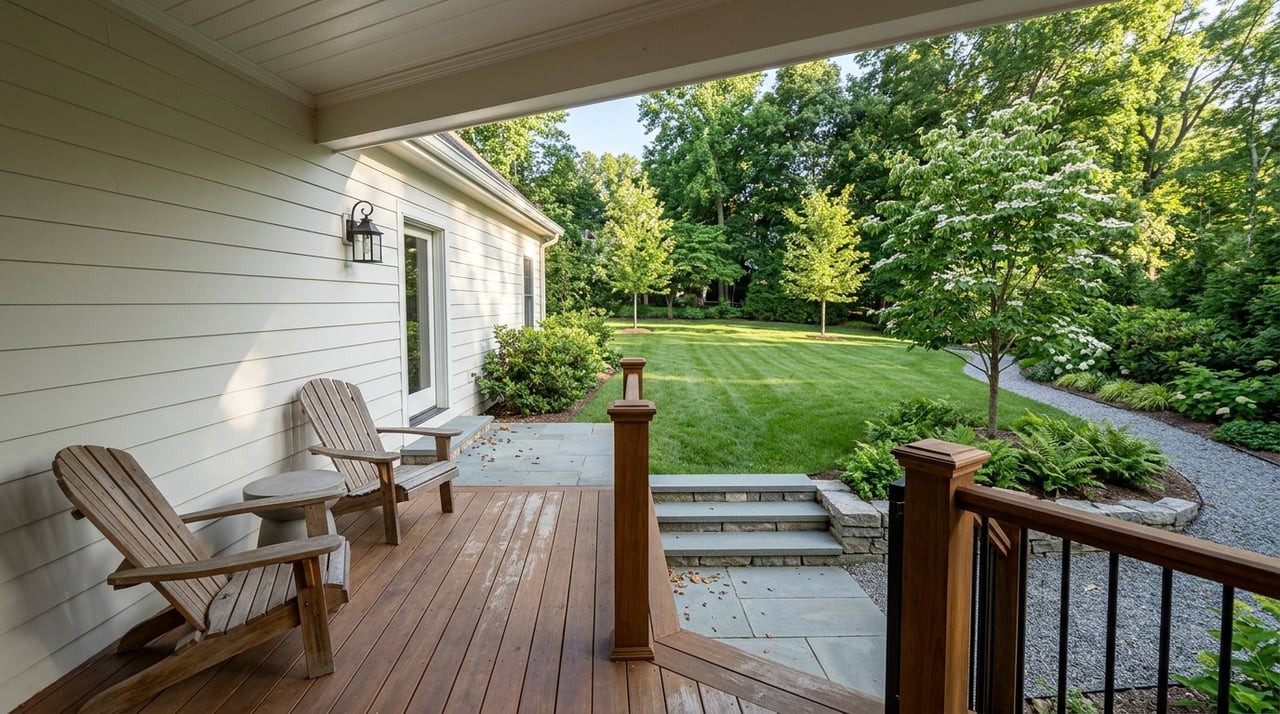
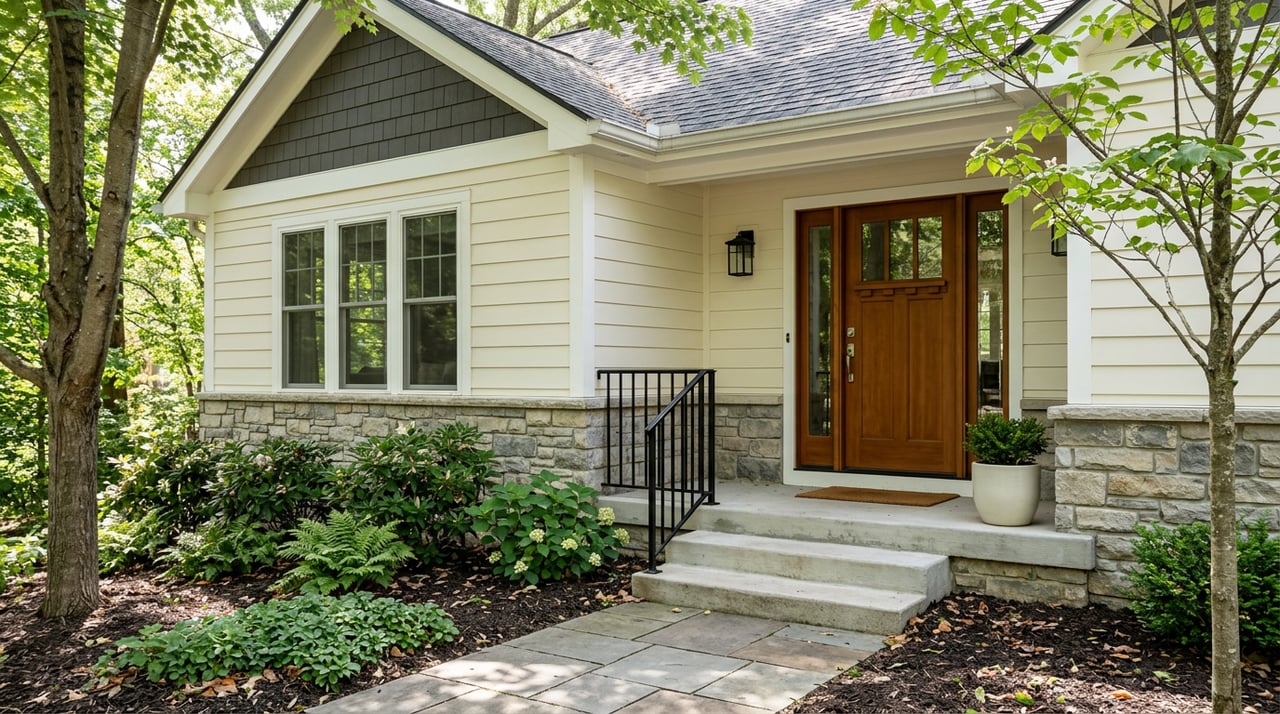
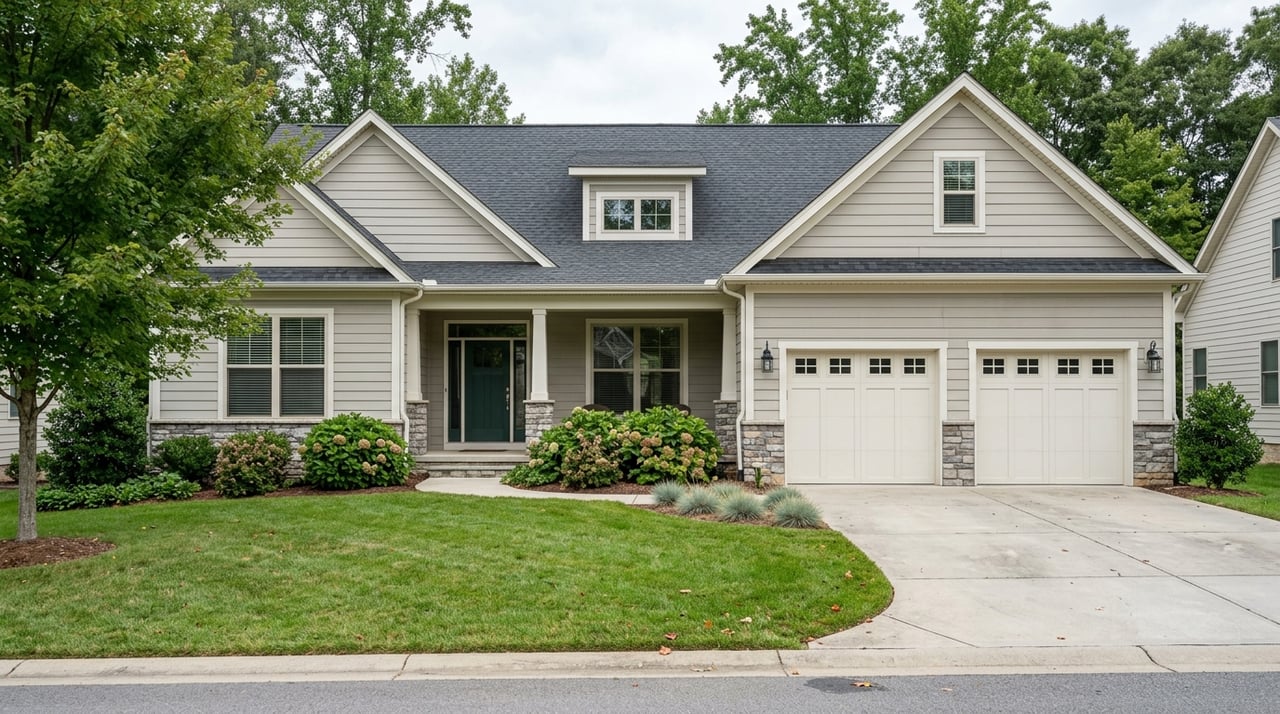
- Improving curb appeal with simple landscaping and entry cleanup
- Making the home easy to show and easy to photograph
These steps can help your home feel more move-in ready without pushing you into costly over-improvements.
Consider staging strategically
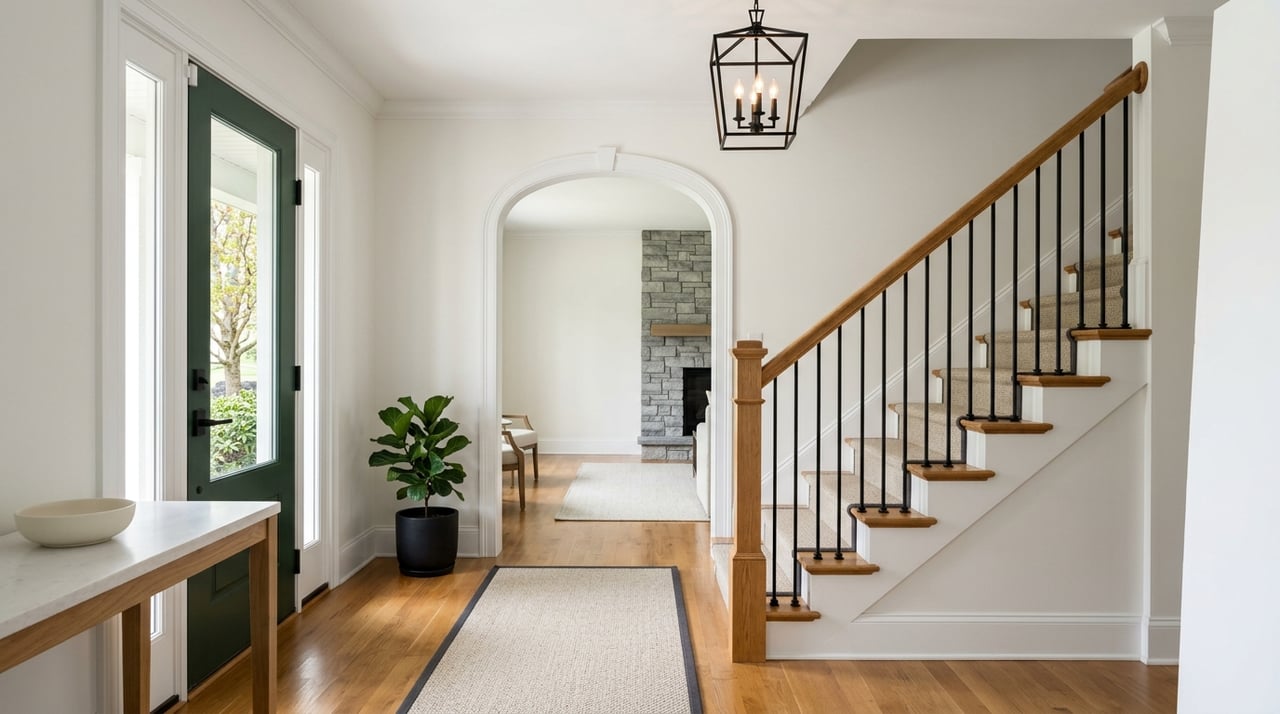
Staging does not always mean fully furnishing a vacant home. Sometimes it means rearranging what you already have to make rooms feel larger, brighter, and more functional.
The same NAR report on home staging found that 29% of agents said staging increased offers by 1% to 10%, while 49% said it reduced time on market. It also found that 83% of buyers' agents believed staging helped buyers picture the home as their future residence.
If you are deciding where to spend money, targeted staging, deep cleaning, and curb appeal often make more sense than large cosmetic projects. NAR reported a median staging service cost of $1,500 when a staging service was used.
Gather your disclosures early
In North Carolina, disclosures are not something to leave for the last minute. Under the North Carolina Residential Property Disclosure Act, most owners of one- to four-unit residential property must provide a Residential Property and Owners' Association Disclosure Statement no later than the time a buyer makes an offer.
This form covers known issues involving major systems and property conditions, including water supply, septic, roof, structure, plumbing, electrical, HVAC, wood-destroying insects, zoning, encroachments, and certain environmental conditions. If your property is part of an HOA or subject to mandatory covenants, additional association information must also be disclosed.
Why early disclosure matters
Missing or late disclosure can create avoidable risk. Under the same North Carolina disclosure law, if the required disclosure is not delivered before or at the offer stage, a buyer may have a cancellation right within a limited time frame.
If you learn that something on your disclosure is materially inaccurate after listing, you must correct it promptly. Sellers can also face liability for knowingly hiding latent defects that a buyer would not reasonably discover.
A practical step is to begin gathering records, repair history, HOA details, and any known property information before your home hits the market. That can help reduce delays and make negotiations smoother later.
Create a marketing plan that fits the market
In a buyer's market, your home needs more than just an MLS entry. Buyers often decide within seconds whether a listing is worth visiting, and that decision often starts with photos and presentation.
A strong marketing plan should make your home look polished, accurate, and easy to understand. In a market where homes may take months to sell, that first impression can influence both showing activity and negotiating power.
What matters most to buyers
Based on the NAR staging report, buyers' agents said these tools mattered when helping clients evaluate a home:
- Photos
- Physical staging
- Videos
- Virtual tours
For sellers in Etowah, this supports a simple approach: make the home look its best, present it clearly online, and remove distractions that can cause hesitation.
Review offers carefully
When an offer comes in, price is only one part of the picture. In North Carolina, you also need to look closely at terms such as the due diligence period, due diligence fee, earnest money, financing, and timing.
In a market where buyers may have more negotiating power, the strongest offer is not always the highest on paper. A lower offer with cleaner terms or a shorter due diligence period may create a more dependable path to closing.
Understand North Carolina due diligence
North Carolina's due diligence period gives the buyer time to investigate the property and the overall transaction. According to NCREC's due diligence guidance, buyers commonly use this period for inspections, septic reviews, surveys, appraisals, title searches, and loan work.
The length of this period is negotiable and begins on the effective date of the contract. During that time, the buyer may terminate the contract for any reason or no reason by written notice.
What sellers should know
The due diligence fee is also negotiated and is due on the effective date. As explained in NCREC's bulletin on due diligence fees, the fee is intended to compensate the seller for taking the home off the market while the buyer investigates the transaction.
If the buyer terminates during due diligence, the seller generally keeps the due diligence fee, while the earnest money is typically returned to the buyer unless the contract provides otherwise. That is why the terms of the offer matter so much.
Handle repairs and negotiations calmly
Once inspections are complete, the buyer may ask for repairs, credits, or other concessions. These requests are negotiable. You are not automatically required to agree to them.
If you do agree to repairs, NCREC guidance says they must be completed before settlement in a good and workmanlike manner. Buyers also have the right to verify repairs and complete a final walk-through before closing.
In practical terms, this is where preparation pays off. A well-maintained home with fewer visible concerns often creates fewer repair surprises and less negotiation stress.
Coordinate with the closing attorney early
In North Carolina, residential closings are typically attorney-led. The North Carolina State Bar explains that the closing process generally includes title work, title opinions, deed preparation, document explanation, recording, and disbursement of funds.
For sellers, that means it is wise to coordinate early rather than waiting until the last part of the transaction. If title issues, estate details, trust documents, or payoff questions come up, early attention can help keep the closing timeline on track.
Expect the process to take time
Many sellers hope the process will move quickly, but local data suggests it is smart to plan for several months from listing to closing. The Etowah market snapshot on Realtor.com shows a median 122 days on market, and the Henderson County MLS report shows a 131-day list-to-close timeline.
That does not mean every home will take that long. It does mean you should build your plans around a realistic timeline, especially if your home needs prep work, receives repair requests, or requires extra legal coordination.
A simple step-by-step checklist
If you want a clear roadmap, here is the process at a glance:
- Review current Etowah market conditions
- Set a realistic pricing strategy
- Declutter, deep clean, and improve curb appeal
- Complete key repairs and prep for photos
- Gather disclosures and HOA documents early
- Launch with strong marketing materials
- Evaluate offers based on price and terms
- Manage due diligence, inspections, and negotiations
- Coordinate with the closing attorney early
- Prepare for closing and final walk-through
Selling in Etowah today takes planning, patience, and steady execution. With the right pricing, thoughtful preparation, timely disclosure, and careful contract management, you can put yourself in a much stronger position to move forward with fewer surprises.
If you are thinking about selling and want clear local guidance, the Steve Dozier Group offers experienced, hands-on support backed by deep Henderson County market knowledge. It is a practical place to start if you want a professional opinion on value, timing, and the best next steps for your home.
FAQs
What is the home selling timeline in Etowah, NC?
- Local market data shows that homes in Etowah had a median 122 days on market, and Henderson County reported a 131-day list-to-close timeline in February 2026, so many sales can take several months from listing to closing.
What disclosures are required when selling a home in North Carolina?
- Most sellers of one- to four-unit residential property must provide a Residential Property and Owners' Association Disclosure Statement no later than the time a buyer makes an offer, and HOA-related properties may require additional association disclosures.
What happens during the due diligence period in North Carolina?
- The due diligence period is the buyer's investigation window for inspections, financing, title review, surveys, and repair discussions, and the buyer may usually terminate during that period by written notice.
Should you stage your home before selling in Etowah?
- Staging can help, especially in a slower market, because NAR reported that staging may reduce time on market and help buyers better picture themselves living in the home.
How should you prepare your Etowah home before listing?
- The most effective steps are usually decluttering, deep cleaning, improving curb appeal, addressing obvious cosmetic issues, and making sure the home is easy to photograph and tour.