Dreaming about a mountain place you can escape to on weekends? Brevard has a way of getting your attention with waterfalls, trails, rivers, music, and a compact downtown that feels easy to enjoy without a packed schedule. If you are thinking about buying a vacation or second home here, it helps to look beyond the scenery and understand how property type, location, upkeep, and occasional rental plans can shape the decision. Let’s dive in.
Why Brevard Fits Second-Home Buyers
Brevard is officially framed as a quiet Blue Ridge valley town with shops, festivals, forests, trails, rivers, and waterfalls. That mix makes it especially appealing if you want a home base for outdoor recreation and small-town downtime rather than a full-time urban lifestyle.
For many buyers, that lifestyle-first appeal is the whole point. You may want a place where you can spend long weekends hiking in DuPont State Recreational Forest, exploring Pisgah National Forest, or enjoying downtown events without the pace and density of a larger city.
Brevard also stands out as a practical choice if you value a home that can support seasonal use. A second home here often needs to work as a comfortable retreat, a lock-and-leave property, and a place that stays manageable when you are away.
Property Types to Consider
In and around Brevard, second-home buyers often look at a few broad property categories. The right fit usually depends on how you plan to use the home, how much maintenance you want, and whether you want to be closer to downtown or on a more private mountain setting.
In-Town Homes and Cottages
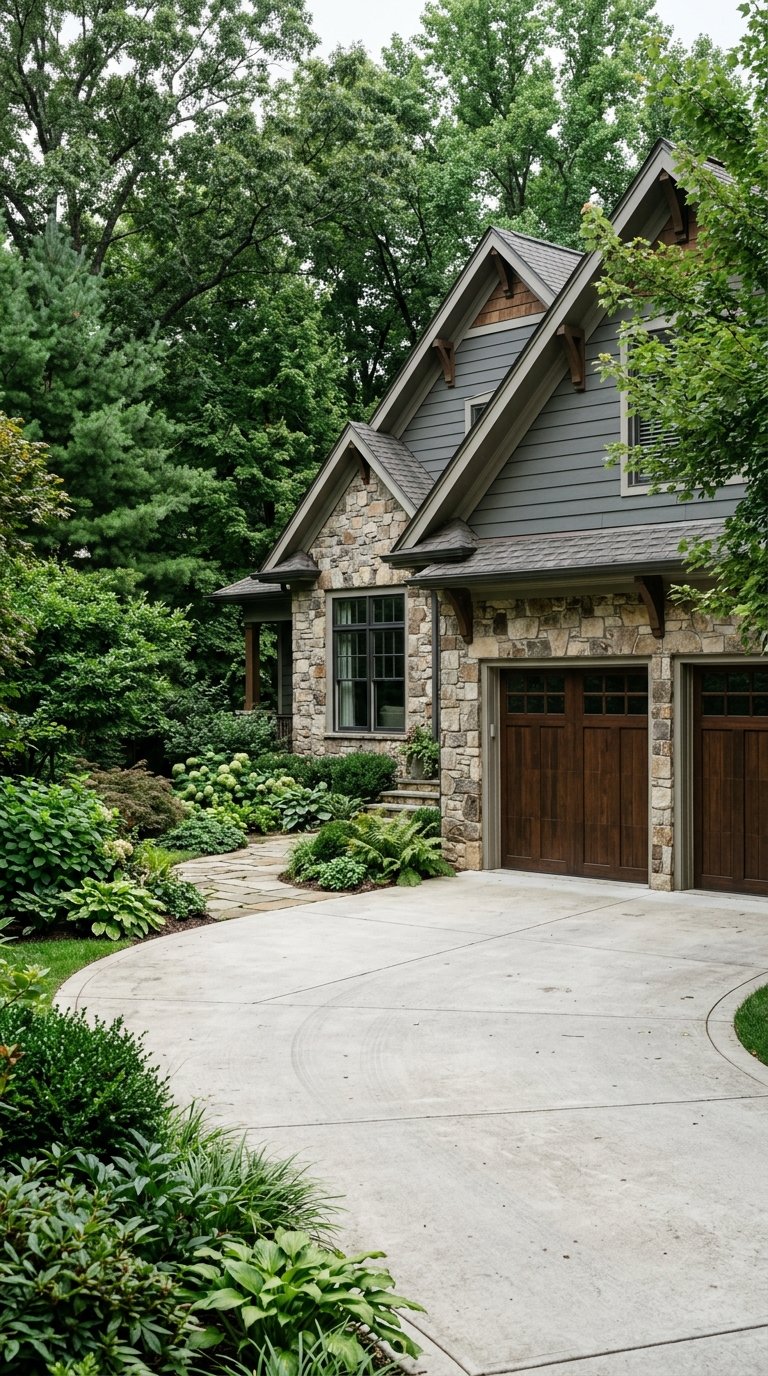
In-town single-family homes and cottages can be a strong match if you want easier access to downtown shops, events, and everyday conveniences. These properties may also be simpler to manage for weekend use because they are often on smaller lots than more rural homes.
If walkability and convenience matter to you, this type of property is worth close attention. You may trade some privacy or long-range views for easier access and potentially less exterior upkeep.
Mixed-Use or Upper-Level Residential Options
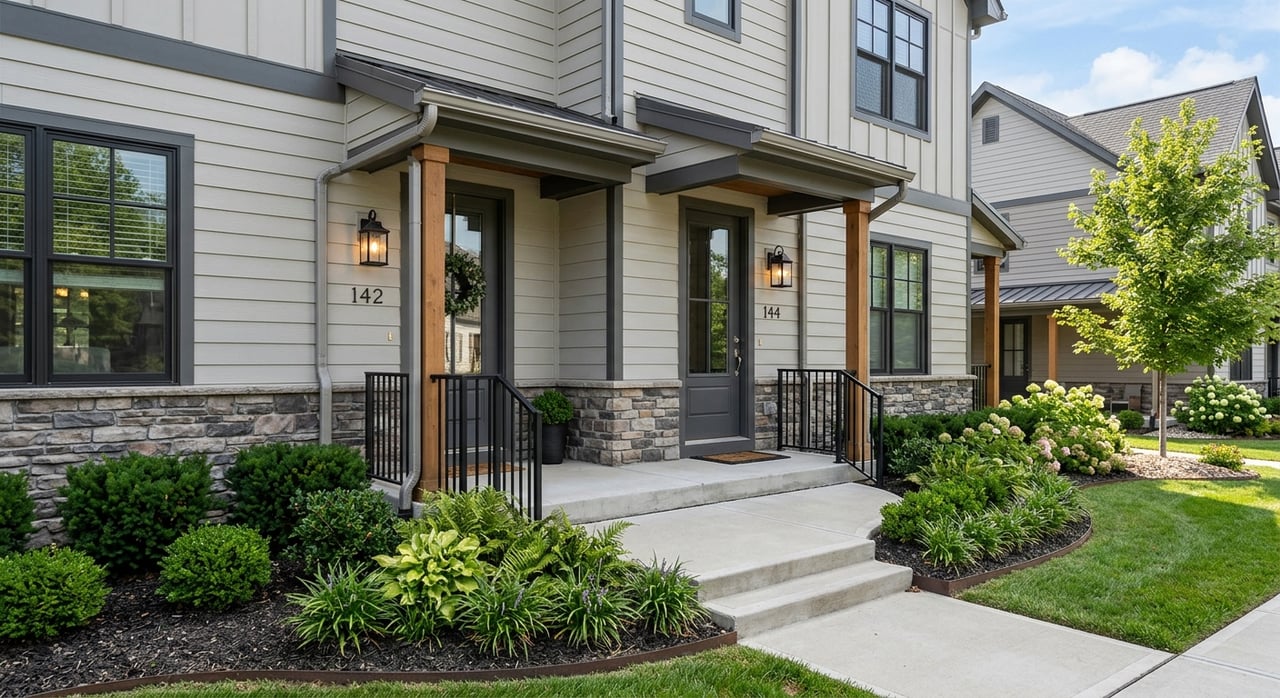
Brevard’s zoning framework includes downtown mixed-use and residential districts. That means some buyers may find upper-level residential spaces or mixed-use settings attractive if they want a lower-maintenance second-home experience near the center of town.
This option can appeal to buyers who want to spend more time enjoying Brevard and less time maintaining a large yard. Still, each property needs careful review because ownership structure, access, parking, and allowed uses can vary.
Rural Homes and View Lots
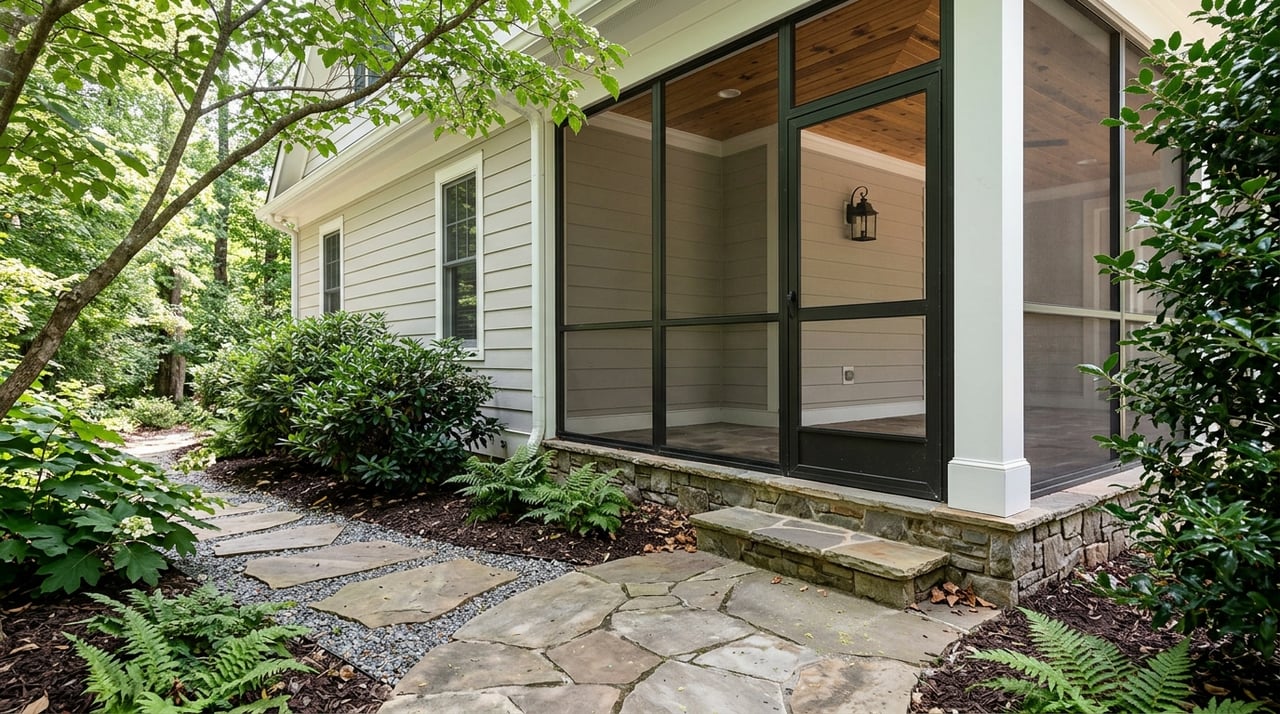
If your idea of a second home includes wooded surroundings or mountain views, rural homes and vacant lots may be the most appealing path. These properties can offer privacy and a strong retreat feel, but they also tend to bring more due diligence.
In mountain settings, details like slope, access, septic needs, floodplain issues, and local land-use controls matter more than many buyers expect. A beautiful lot is only part of the story.
Check Jurisdiction Before You Commit
One of the most important steps in Brevard-area due diligence is confirming exactly where a property falls from a jurisdiction standpoint. That is especially important because Transylvania County notes there is no county-wide zoning outside the City of Brevard, Rosman, and their ETJs.
That means rules can change from parcel to parcel. Before you buy, you should verify whether the property is inside city limits, within an extraterritorial jurisdiction, or in an unzoned county area where other ordinances may still apply.
Transylvania County’s official GIS tools are the place to confirm zoning, flood, and ETJ status. For buyers thinking about building, expanding, or changing the property’s use, this step can prevent expensive surprises later.
Ridge, Watershed, and Scenic Rules
If you are drawn to a ridge-top site or scenic parcel, county ordinances can play a major role. Transylvania County administers mountain ridge protection, scenic corridor, subdivision control, watershed protection, and other land-use ordinances.
These rules do not mean a property will not work for your goals. They do mean you should evaluate the site carefully before assuming what can be built, modified, or accessed.
Thinking About Short-Term Rental Use
Some second-home buyers hope to offset costs by renting the home occasionally. In the Brevard area, that idea needs a careful legal and practical review before you count on it.
Inside Brevard city limits or the ETJ, the city’s short-term rental ordinance matters. The city defines short-term rentals as private residential properties rented for less than 30 days and requires a typical zoning permit for eligible uses, while also setting standards for occupancy, parking, appearance, lighting, and signage.
The city ordinance also excludes some owner-occupied and incidental vacation rentals, and it includes grandfathering treatment for existing short-term rentals in General Residential districts. Because the rules are location-specific, buyers should confirm whether the property and the intended use align before making an offer.
Financing a Second Home Is Different
A second-home purchase usually does not follow the same financing rules as a primary residence. That matters if you are comparing monthly costs or assuming that occasional rental plans will help you qualify.
Fannie Mae states that a second home must be occupied by the borrower for some portion of the year, must be a one-unit dwelling, must be suitable for year-round occupancy, must remain under the borrower’s exclusive control, and cannot be a rental property or timeshare. It also notes that rental income from the property generally cannot be used to qualify.
The simple takeaway is this: do not assume your lender will view the property the way you do. If you are buying a place for personal use first, with only limited rental plans, make sure your financing strategy matches that reality.
Tax Planning for Occasional Rental Use
If you plan to rent the home only from time to time, tax treatment may not work the way many buyers expect. The IRS says that if a vacation home is rented for fewer than 15 days during the year and also used as a residence, the rental income generally is not reported and rental expenses are not deducted as rental expenses.
If the home has both personal and rental use, expenses are generally divided between personal and rental use based on the number of days used for each purpose. That makes accurate recordkeeping important if you expect to mix private enjoyment with rental activity.
For most buyers, the practical lesson is to review financing rules and tax treatment together. A part-time rental strategy may sound helpful on paper, but it should be checked carefully before it becomes part of your budget.
Budget for Maintenance and Seasonal Use
A second home can be easier to enjoy when you plan for upkeep from the start. NC State Extension recommends setting aside 1% to 3% of a home’s market value each year for maintenance and repair costs.
That reserve is especially important for a property that may sit empty at times. Problems like leaks, HVAC issues, pest activity, roof damage, or drainage concerns can become more expensive when no one is there to notice them quickly.
Key Mountain-Home Maintenance Items
In the Brevard area, seasonal use and mountain conditions add a few practical items to your checklist:
- Regular inspections
- HVAC service
- Gutter cleaning
- Prompt repair of small issues
- Septic system attention and pumping
- Freeze protection for outside faucets and water lines
- Roof and gutter clearing after storms or branch fall
- Driveway and walkway checks for cracks or erosion
If you are buying a condo or townhouse, do not assume the HOA covers everything outside the walls. NC State notes that some items may be covered by the association while others remain the owner’s responsibility, so reviewing the documents matters.
Well, Septic, and Site Conditions
Private wells are a common due-diligence item in this part of North Carolina. NC DEQ says private water wells are handled by county health departments, and newer private drinking water wells are sampled by local health departments.
For some parcels, septic approval, site address assignment, and floodplain permits may also be required depending on the property. These are the kinds of details that can shape whether a home or lot fits your plans and your timeline.
Wildfire and Smoke Preparedness
Wildfire and smoke preparedness should also be part of your planning. State officials noted in May 2026 that downed timber left by Hurricane Helene continues to increase wildfire risk in Western North Carolina.
If you are buying a mountain home, it is smart to think about preventive maintenance, defensible conditions around the property, and readiness for smoke events. Even if the home is used only part-time, this is now part of responsible ownership in the region.
Brevard Compared With Nearby Towns
If you are deciding between Brevard and other Western North Carolina towns, the differences often come down to lifestyle. Official local messaging suggests Brevard is especially well suited to buyers who want a quieter retreat centered on nature, trails, waterfalls, forests, music, and a compact downtown.
Hendersonville may appeal more if you want a larger walkable downtown environment with public art, dining, and a broader small-town main street feel. Asheville tends to fit buyers who want the widest mix of arts, food, music, and nightlife.
Black Mountain offers another small-town option with parks, greenways, local shops, festivals, and outdoor access, while being closer to Asheville. If your goal is a lower-key mountain base with strong recreation access, Brevard often stands out for exactly that reason.
What to Focus On Before You Buy
A great second-home purchase usually comes down to matching the property to the way you will actually use it. Before moving forward, it helps to keep your priorities simple and practical.
Ask yourself:
- Do you want to be near downtown or in a more private setting?
- How much maintenance are you comfortable managing from a distance?
- Will you use the home mostly for personal stays, or do you hope to rent it occasionally?
- Have you confirmed the property’s jurisdiction, zoning, flood status, and permit needs?
- Does the home’s layout and site work well for year-round use?
When those answers are clear, your search tends to get easier. You can focus less on wish lists and more on fit, which often leads to a better long-term decision.
Buying a vacation or second home in Brevard can be a rewarding move when the property supports both your lifestyle and your practical needs. If you want steady local guidance as you compare locations, review due diligence, and narrow down the right fit in Brevard or nearby Western North Carolina communities, connect with Steve Dozier Group.
FAQs
What makes Brevard, NC appealing for a second home?
- Brevard appeals to many second-home buyers because it offers a quieter mountain setting with access to waterfalls, trails, rivers, forests, music, festivals, and a compact downtown.
What property types should you consider for a vacation home in Brevard?
- Common options include in-town homes or cottages, some mixed-use or upper-level residential spaces near downtown, and rural homes or lots with wooded settings or mountain views.
What should you check about zoning in Brevard and Transylvania County?
- You should confirm whether the property is in Brevard city limits, an ETJ, or an unzoned county area, then review official GIS information for zoning, flood status, and other land-use considerations.
What are the short-term rental rules for a Brevard second home?
- If the property is inside Brevard city limits or the ETJ, short-term rental use may be subject to the city’s ordinance, including permit and operational standards for rentals under 30 days.
How is financing different for a Brevard second home?
- Second-home financing can have stricter occupancy and property-use rules than a primary residence, and rental income from the property generally cannot be used to qualify under Fannie Mae guidance.
How much should you budget for second-home maintenance in Brevard?
- NC State Extension recommends setting aside about 1% to 3% of the home’s market value each year for maintenance and repairs, which is especially helpful for homes that sit vacant part of the year.
What extra due diligence matters for mountain homes near Brevard?
- Buyers should pay close attention to septic needs, well considerations, freeze protection, roof and gutter maintenance, erosion or driveway issues, floodplain concerns, and wildfire or smoke preparedness.